
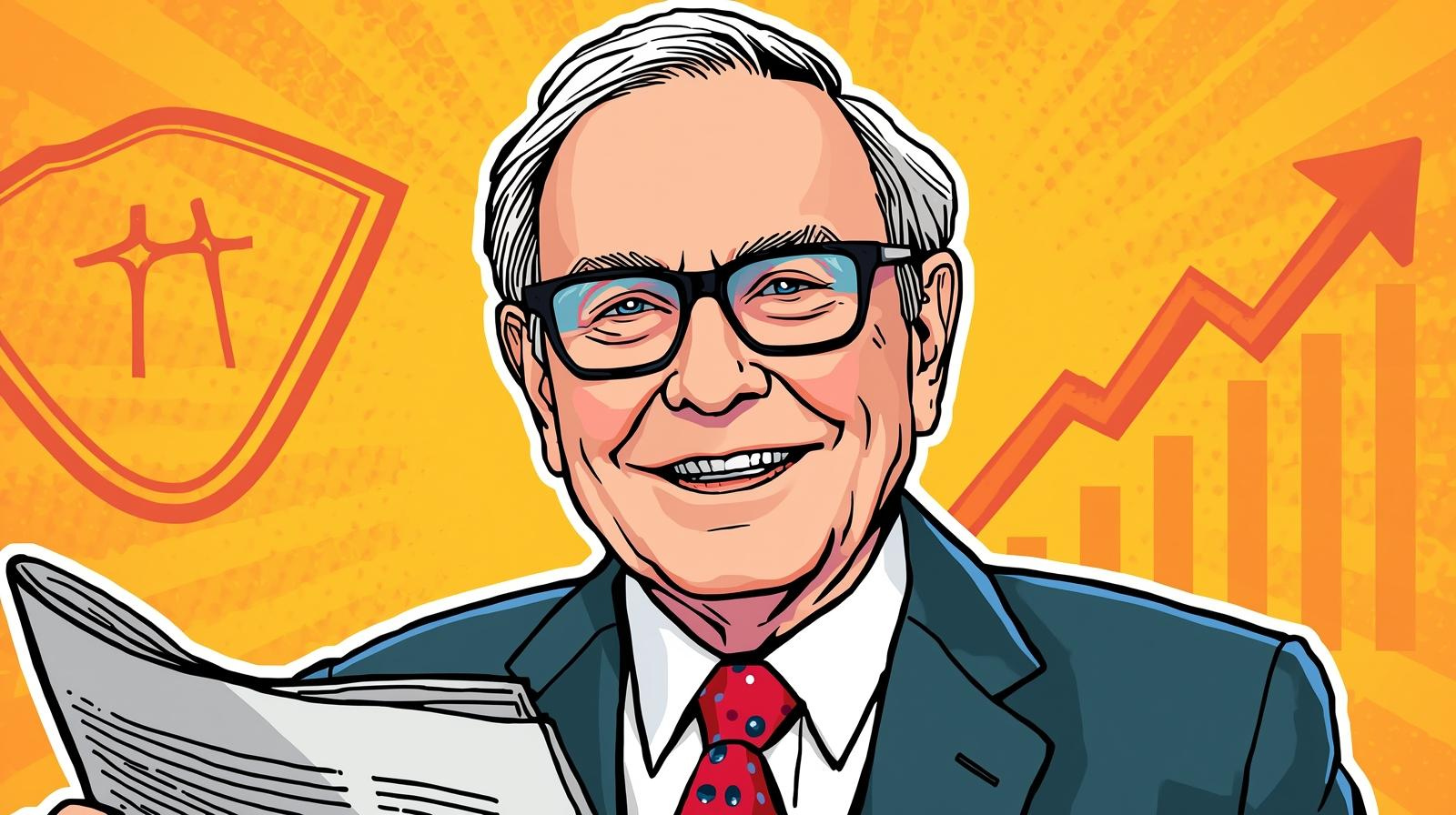

The End of an Era: Buffett’s Quiet Exit and the Vanishing Art of Patience
Warren Buffett’s final, gradual withdrawal from the global stage is more than a change in leadership. We are looking ati a seismic cultural marker for finance—the quiet end of patient capital’s long reign.
As Warren Buffett continues his careful transition away from Berkshire Hathaway’s front lines—reducing his public presence at annual meetings and preparing Greg Abel to assume full leadership—the shift arrives with the understated calm he’s known for. No fanfare, no grand farewell tour. Just a soft step back from a stage he has owned for more than half a century.
But beneath that modest transition lies something profound: the quiet ending of one of capitalism’s longest-running narratives — the age of patient capital.
The Oracle and His Era
For decades, Buffett’s voice was more than market commentary; it was a compass. Each annual letter distilled a lifetime of financial wisdom into pages that could humble billionaires and enlighten college students in equal measure. In an age where markets moved on hype, his power came from stillness.
Buffett’s philosophy was radical in its simplicity: Buy businesses you understand. Hold them longer than others think sensible. Ignore the noise. Let compounding do the work. It was an antidote to both greed and panic, and it worked — spectacularly. Berkshire Hathaway grew from a failing textile company into a $1.07 trillion colossus, driven not by quarterly innovation cycles, but by unwavering patience. For context, Berkshire Hathaway has compounded book value per share at roughly 19.8% annually since 1965, according to Berkshire’s 2023 shareholder letter.
Patience has become increasingly rare in modern markets, even as it continues to deliver results for those disciplined enough to practice it.
From Value to Velocity
Today’s financial world moves at the speed of sentiment. We celebrate traders, not builders. Companies are valued by narratives and momentum rather than profits and cash flows alone. The very idea of waiting for a “fat pitch” — Buffett’s famous metaphor for disciplined opportunity — feels quaint in an era ruled by dopamine and algorithms.
Buffett used to say that the stock market is a device for transferring money from the impatient to the patient. Yet in 2025, the impatient command the headlines. Meme stocks, AI euphoria, and speculative trading have turned investing into theater. Long-term conviction, once a mainstream philosophy, now competes for attention against get-rich-quick narratives that dominate social media feeds.
Here’s the paradox: while patient capital built extraordinary wealth over the past decade—the S&P 500’s steady climb rewarded holders, not day traders—the culture around investing has accelerated dramatically. Even successful long-term investors check sentiment on social platforms and feel the gravitational pull of velocity.
In this context, Buffett’s gradual exit isn’t just personal — it’s symbolic. The investor who built his empire on restraint is stepping aside as the world embraces perpetual acceleration, even when speed doesn’t necessarily produce better returns.
The Greg Abel Era — and the Unanswered Question
Buffett’s chosen successor, Greg Abel, represents continuity in many ways. He is a disciplined, numbers-driven operator who transformed Berkshire Hathaway Energy from a regional utility into a renewable energy powerhouse. He is the right steward for Berkshire’s vast portfolio of industrial and utility assets.
Yet he inherits a very different world — one where even Berkshire’s famously boring businesses compete for attention against AI labs and crypto startups. The real question isn’t whether Abel can manage Berkshire’s operations. He can. The question is whether Buffett’s ethos—that mix of discipline, humility, and rational optimism—can maintain cultural relevance in a world addicted to immediacy.
Some would argue that Buffett’s approach reached natural limits; at Berkshire’s trillion-dollar scale, finding investments large enough to move the needle is exponentially harder. Perhaps what we’re witnessing isn’t the death of a philosophy but the maturation of an empire that can no longer deploy capital with the agility that made it legendary.
Both can be true: The philosophy endures; the world simply moves faster around it.
Lessons That Compound
The beauty of Buffett’s wisdom is that it isn’t market-specific. “Be fearful when others are greedy” isn’t about timing — it’s about temperament. His letters read like timeless essays on human behavior wrapped in financial examples.
Even his mistakes — the missed tech rallies, the cautious skepticism of digital revolutions — carry lessons in integrity. He never pretended to understand what he didn’t. In a world full of self-proclaimed experts, that humility is revolutionary.
Buffett’s success was never about outsmarting the market; it was about outlasting it. The compound effect of sound judgment, trust, and emotional control beats almost any trading algorithm over time. Compounding applies to more than returns—it builds reputation, relationships, and wisdom itself.
But that’s a message that sells poorly in a culture obsessed with shortcuts.
What Buffett’s Exit Says About Us
Buffett’s decision to step back is a mirror reflecting how dramatically the market psyche has changed. It’s not just that he’s old — it’s that his worldview feels anachronistic in an economy that worships disruption over durability.
We used to admire steady compounders; now we worship disruptors. We used to read shareholder letters; now we parse CEO tweets and refresh social feeds for breaking sentiment.
The story of Buffett’s transition, then, isn’t just about a man leaving the stage. It’s about the kind of wisdom the audience no longer waits to hear—even when that wisdom continues to generate wealth for those patient enough to listen.
The Enduring Paradox
And yet, in every downturn, his ghost will return. When bubbles burst and euphoria fades, investors will rediscover his principles — just as they always do. The irony of Buffett’s philosophy is that it becomes most relevant precisely when it’s least fashionable.
In the end, markets will move on. Algorithms will evolve. New legends will emerge. But the mathematics of compounding doesn’t change, nor does the psychology of fear and greed. The fundamentals of business valuation remain constant even as the attention economy accelerates.
What This Means for You
If you’re navigating today’s markets, the question isn’t whether to embrace Buffett’s patience or modernity’s velocity. It’s how to hold both intelligently.
Build a core portfolio with Buffett’s discipline: businesses you understand, held longer than feels comfortable, rebalanced rarely. Let this be your anchor when markets panic or euphoria strikes.
But acknowledge the world Abel inherits: information moves faster, opportunities emerge and vanish quickly, and understanding technological disruption is no longer optional—it’s table stakes.
The synthesis isn’t compromise; it’s clarity. Be patient with capital, but nimble with attention. Hold positions like Buffett, but scan for shifts like a trader. Embrace compounding as your edge, while staying alert to paradigm shifts that make old edges obsolete.
Somewhere in Omaha, perhaps, the Oracle is smiling — knowing that his greatest lesson was never about choosing one approach over another. It was about having the character to stick with sound principles when everyone around you abandons them.
Final Thought
Warren Buffett’s farewell isn’t the end of value investing; it’s a mirror held up to our collective impatience. The markets will have new legends, new narratives, and new billionaires. But none will embody that quiet conviction — the belief that wealth, wisdom, and reputation are built the same way: slowly, deliberately, and with unwavering integrity.
The question is whether we still have the temperament to build anything with such quiet, deliberate conviction at all.
This article is for informational and educational purposes only. It does not constitute financial, investment, or legal advice.
All economic and financial policy discussions are presented for scenario analysis and illustration only. Investing involves high risk, and you may lose capital.
Always conduct your own independent research and consult a qualified professional before making any financial decisions.






Trump’s 50-Year Mortgage Plan: The Brutal Math Behind It